Caboss: The sounds that call cattle home
Can you call the cattle home?
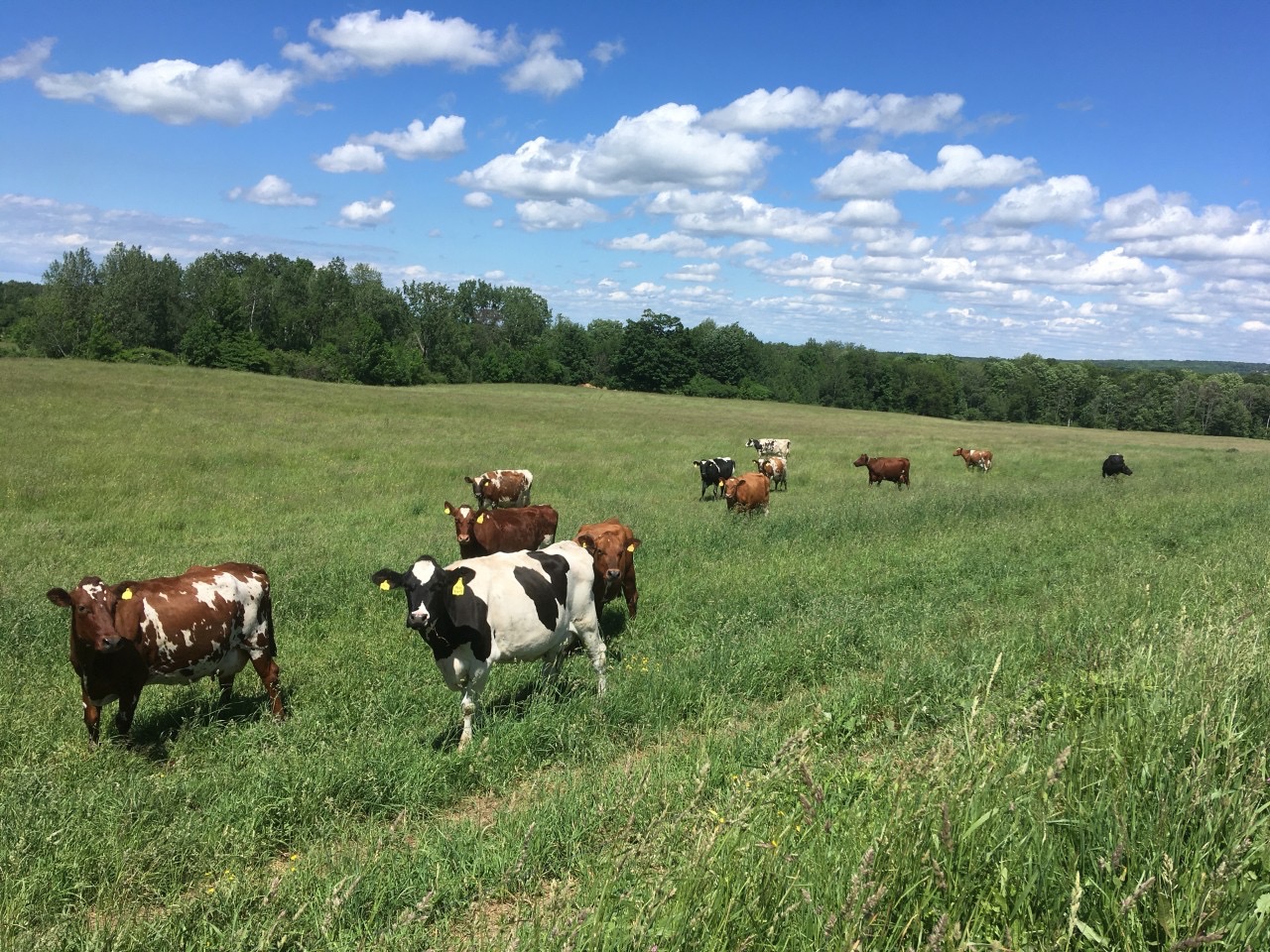
Calling cattle was integrated into my life from a young age. By the time I was five, maybe even younger, I understood that “Caboss!”, short for “Come boss!” hollered from afar would rally our herd of about 40 cows to head to the barn to be milked after a day of grazing green pastures. Most of the cows would willingly line up head to tail and follow one another to the barn across winding narrow paths, or cow paths, beaten in the soil from taking the same route repeatedly. The cows knew that call meant good things – relief from the pressure building in their udders, supplemental feed with sweet, molasses-laced grain, and probably a nice scratch or pat on the head.
Why “come boss”? I have a notion that most modern-day farmers have no idea why they yell come boss, or a shortened variation, to call their cattle. Merriam-Webster says the meaning of bos is plural for bo, a genus of ruminant mammals including the wild and domestic cattle. Merriam-Webster also lists “cow” as an older historical definition for the noun boss and defines coboss as a call used to summon cows. If you ask today’s farmer why they yell “come bos” to their cows, the likely answer will be, “Because that’s how my dad did it.” And if you ask Dad why he called the cows that way, he would probably say, “Because that’s how my dad did it,” and so on. The usage of coboss can be traced back to 1790.
Kulning, pronounced “kool-ning,” was a form of cattle calling used mostly from the Middle Ages up until the mid-20th century in Sweden and Norway. Cattle were grazed in remote mountain areas and their keepers, primarily women and children, would use these high-pitched calls daily through summer grazing seasons. It is documented that cattle from specific herds would respond to the unique calls of their keepers. Today kulning is primarily used to preserve cultural heritage rather than calling cows.
I’ve visited many farms over the years, and each herd responds to different sounds. Some farmers whistle loudly as they would to call a dog and the herd follows them.
Being able to communicate is at the heart of all language. Learning to communicate with a large farm animal is quite special. You become a partner with their moods and secrets – in tune with the pitch and frequency of their sounds. You know when they are content. A soft, low “mmm” rather than a full “moo” as they lie chewing their cud. An excited, higher-pitched “maa!” often accompanies ungraceful cows running toward the sound of a tractor bringing a fresh bale of hay to the field. The sound of the tractor is like a dinner bell. On the small farm I grew up on, the sound of the loud milk pump turning on would rouse some of the heavier milk producers, knowing it was time to have pressure relieved. Likewise, a farmer knows when they’re late for milking because a cow ready to be milked is very clear about her expectations for routine and timeliness. Repeated and insistent bellering – loud, deep cries that start low and end high – indicate distress, such as from a desire to be milked, a cow in heat seeking a mate, or out of a feeling of fear.
Calling cattle is much more than a simple farm chore. It carries generations of tradition, instinct and shared understanding between man and beast. From coboss echoing across a pasture to the high calls of kulning in mountain grazing lands, these sounds are more than commands. They are part of a language built through repetition, trust and care. For those who grew up around cattle, these calls are woven into memory and remind us that communication doesn’t need words to be meaningful.
- Valerie Moss-Deegan