
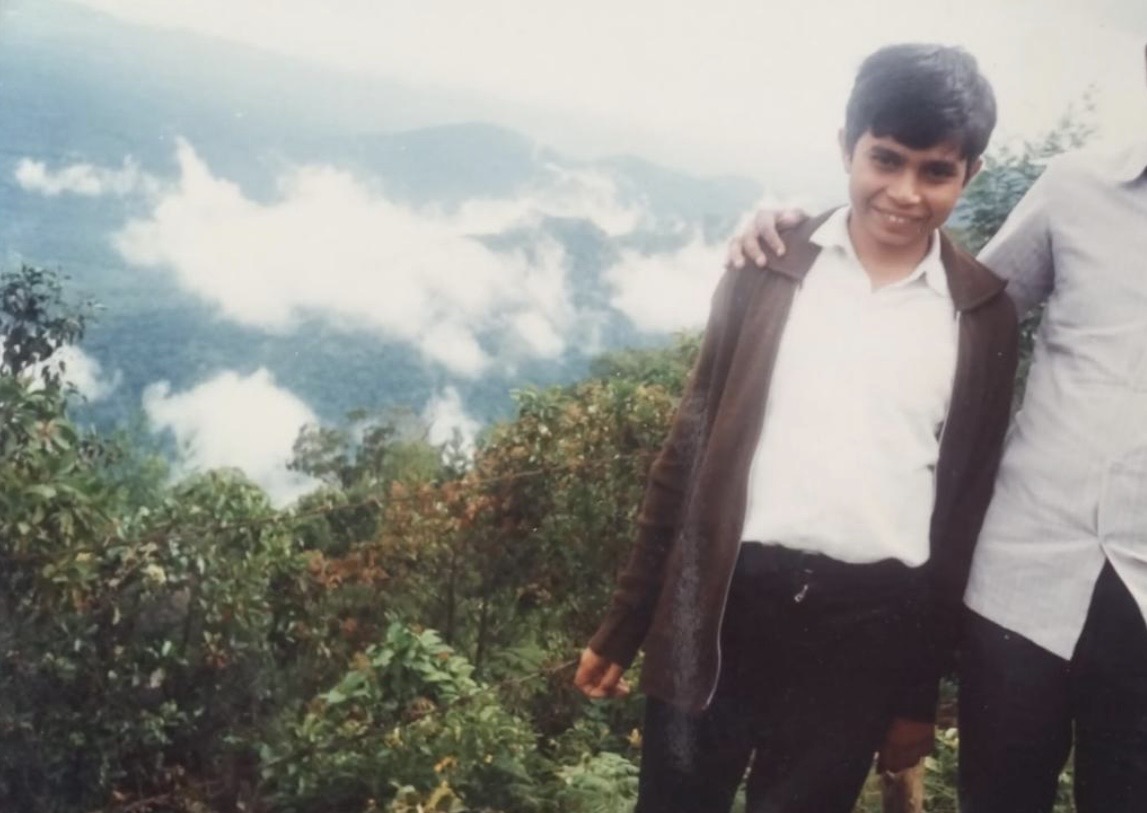
The sounds of my father's childhood
At 6:30 every morning, the alarm clock beside my bed would start ringing.
It was one of those old clocks you had to wind by hand before going to sleep. I would set it every night, and when it went off in the morning, I would reach over, press the little lever on top and give myself another five minutes.
Those five minutes were rarely very peaceful.
I would lie there with one eye open, still half asleep, and somewhere in the house I could already hear Papa’s tape recorder. Venkatesha Suprabhatam, Vishnu Sahasranamam, or one of his bhajans would be playing while he got ready for work.
That was usually when I realised I really did have to get up.
By then, Amma was already in the kitchen. I could hear steel vessels being moved around, spoons hitting bowls, water running and breakfast being made. Then her voice would come through the house, trying to get the three of us ready for school.
More often than not, she was calling me.
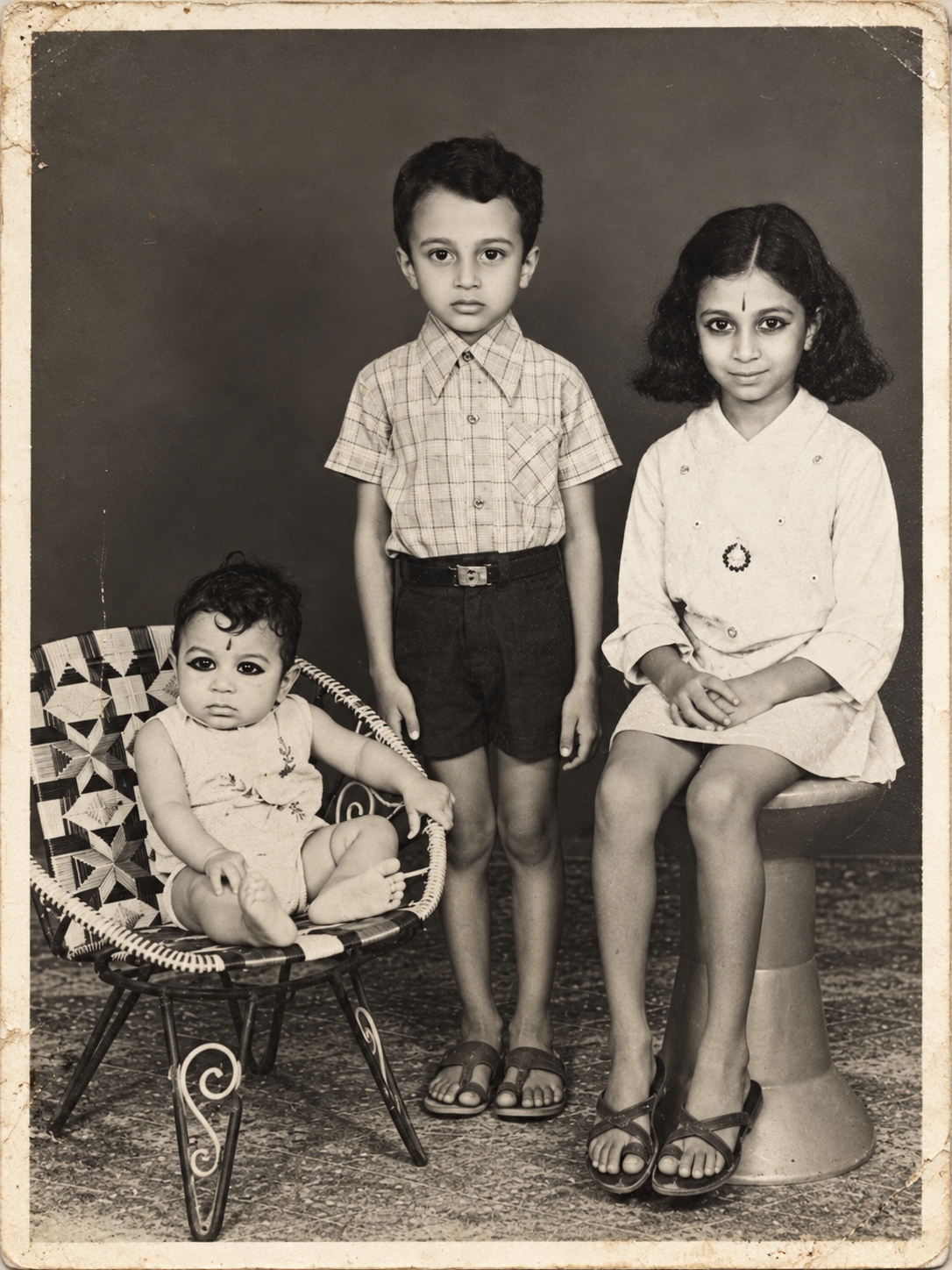
I was the youngest of three and definitely the slowest over breakfast. Sujata Akka and Babu would be getting ready, someone would be waiting for the bathroom, school bags would be open somewhere, Papa would be preparing to leave for work, and I would still be sitting there while Amma told me, once again, to finish eating.
Papa usually left before us. Then, not long after, it was our turn.
Walking to school meant stepping into the sounds of Mulund, Mumbai.
The vegetable sellers were already moving through the neighbourhood, calling out what they had for the day. The bread seller had his bell. There was also the man who exchanged steel utensils for old clothes, drawing out bartan as he went from building to building. You could hear him long before he reached ours.
Those sounds followed us on the way to school. Buses, bicycles, cars, people talking across the road, shop shutters opening.
And in the distance, the factories.
Their sirens sounded several times through the day : at the start of a shift, around lunch, at tea time and when work ended. As children, we had no real interest in why they were ringing. We just knew them. If one went off while you were outside, you had a rough idea of how far the day had gone.
At school, time was kept by a very different bell.
Before electric bells became common, someone would walk around ringing a handheld metal bell. The sound carried through the corridors and classrooms and meant whatever the timetable said it meant.
Back to class.
Lunch was over.
Or, best of all, school was finished.
By afternoon, we were back home again.
Sujata might be practising dance, and her ghungroos could be heard from another room. Babu would be somewhere nearby. His name was Vasu, but at home he had been Babu for so long that I hardly thought of it as a nickname. Sujata had started calling him that when they were young and it simply stuck.
The house had its own way of telling you where everybody was.
A cough from one room. Footsteps in the passage. A door opening. Someone calling out from the kitchen. After years of living together, you rarely needed to see the person to know who it was.
The landline was similar. When it rang, nobody knew who was calling until somebody picked it up. Even then, there was often no need for an introduction. One “hello” was usually enough.
Towards evening, we would start expecting Papa back from work.
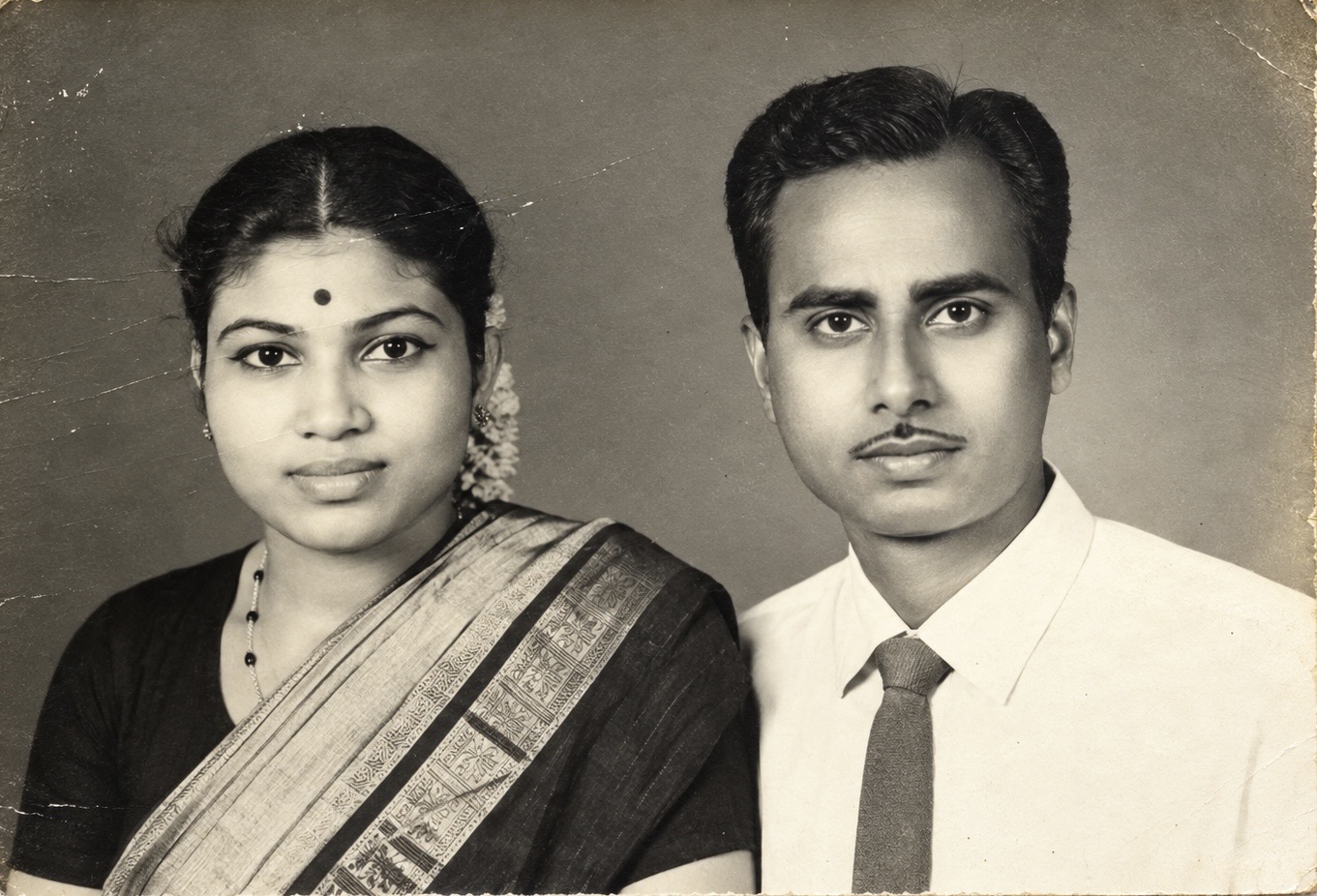
I remember the feeling of the house being complete again once he came through the door. He would settle in, and the radio would often come on. Radio Ceylon was a regular presence, especially the Malayalam songs Amma liked.
Wednesdays were different because of Binaca Geetmala. From eight to nine, the radio had our attention. You could not pause it, rewind it or decide to catch up later. If you wanted to listen, you listened when it was on.
Dinner usually came with all five of us around the table.
There was rarely just one conversation. Someone would begin telling a story, somebody else would interrupt, another person would laugh and the conversation would go somewhere else entirely. Amma might still be going back and forth to the kitchen while joining in.
It was nothing unusual to us. It was simply how we ate dinner.
The weekdays followed roughly the same pattern, but Sundays felt different.
There was television in the morning, sometimes a Malayalam film after lunch and a Hindi film later in the day. Papa would do his puja, and we would hear the little bell during aarti. Nobody was rushing towards school or work, and breakfast did not come with quite as many instructions from Amma.
By night, things became quieter.
Before going to sleep, I would pick up the alarm clock beside my bed, wind it by hand and set it for 6:30.
The house would be quiet by then.
For a few hours, at least.
Words by Tanisha Satish, based on the childhood memories of her father, Satish Narayann