
Memories of Migration
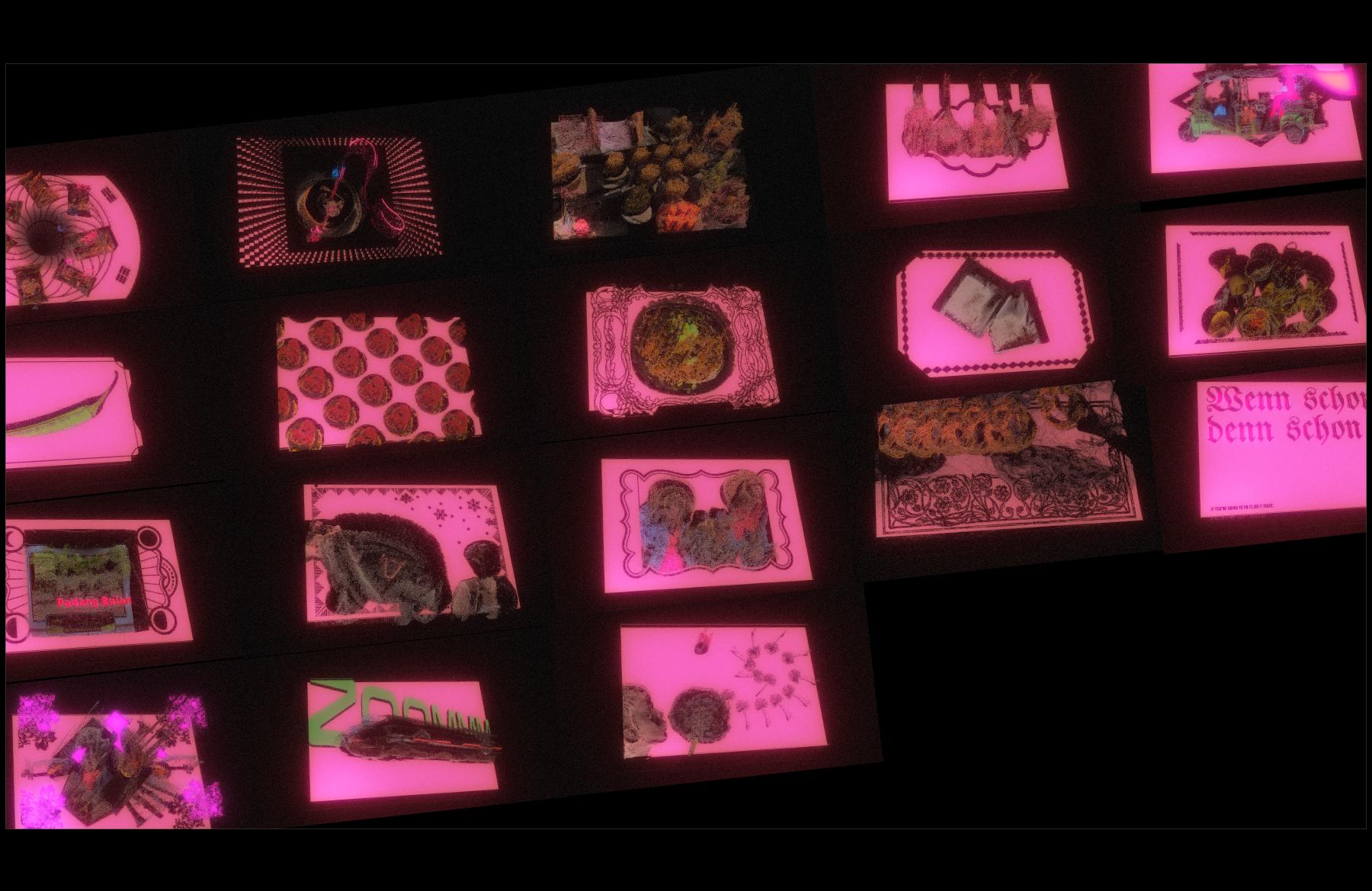
Samuel Christopher Ng’s work : Cultural Fragments follows what happens to memories of home after migration, turning each one into an image and then into sound.
Children who grow up between cultures often move because of a parent’s work, education or circumstances outside their control. They leave behind familiar foods, routines and everyday objects. Something small carried from home can become comforting, but it can also hold a sense of loss, especially when there was no proper goodbye. This project begins with these objects and memories. People who grew up across different cultures share something they connect with home, whether it is a food, a packet, a school lunch or an object carried from one country to another. The project looks at what it meant to them before they moved, what changed afterwards, and how it was understood in their new surroundings.
Each contribution passes through several forms: the person’s story, a RISO postcard, an image created in TouchDesigner and, finally, a sound generated from that image.
Three stages of one memory
Each contribution is organised into three parts: the Original Fragment, the Equivalent Replacement and the Perceived Reinterpretation.
The Original Fragment is the object or experience as it belonged to the person’s first home. The Equivalent Replacement is something in the new environment that takes on a similar role. The Perceived Reinterpretation is how people in that new environment see or respond to it.
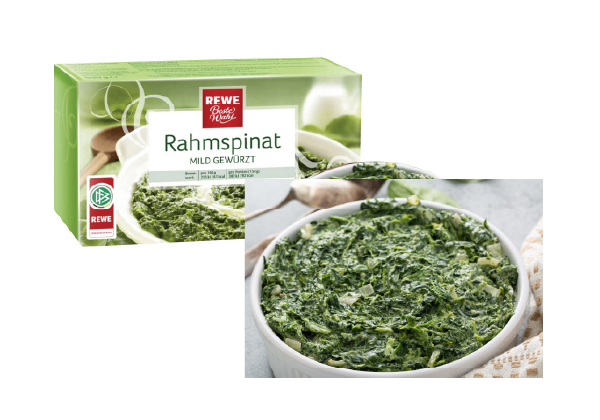
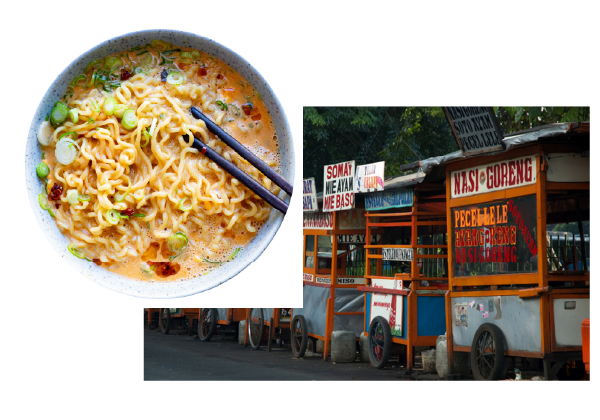
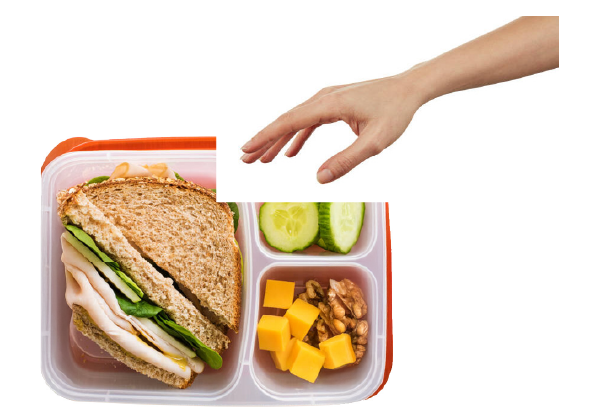
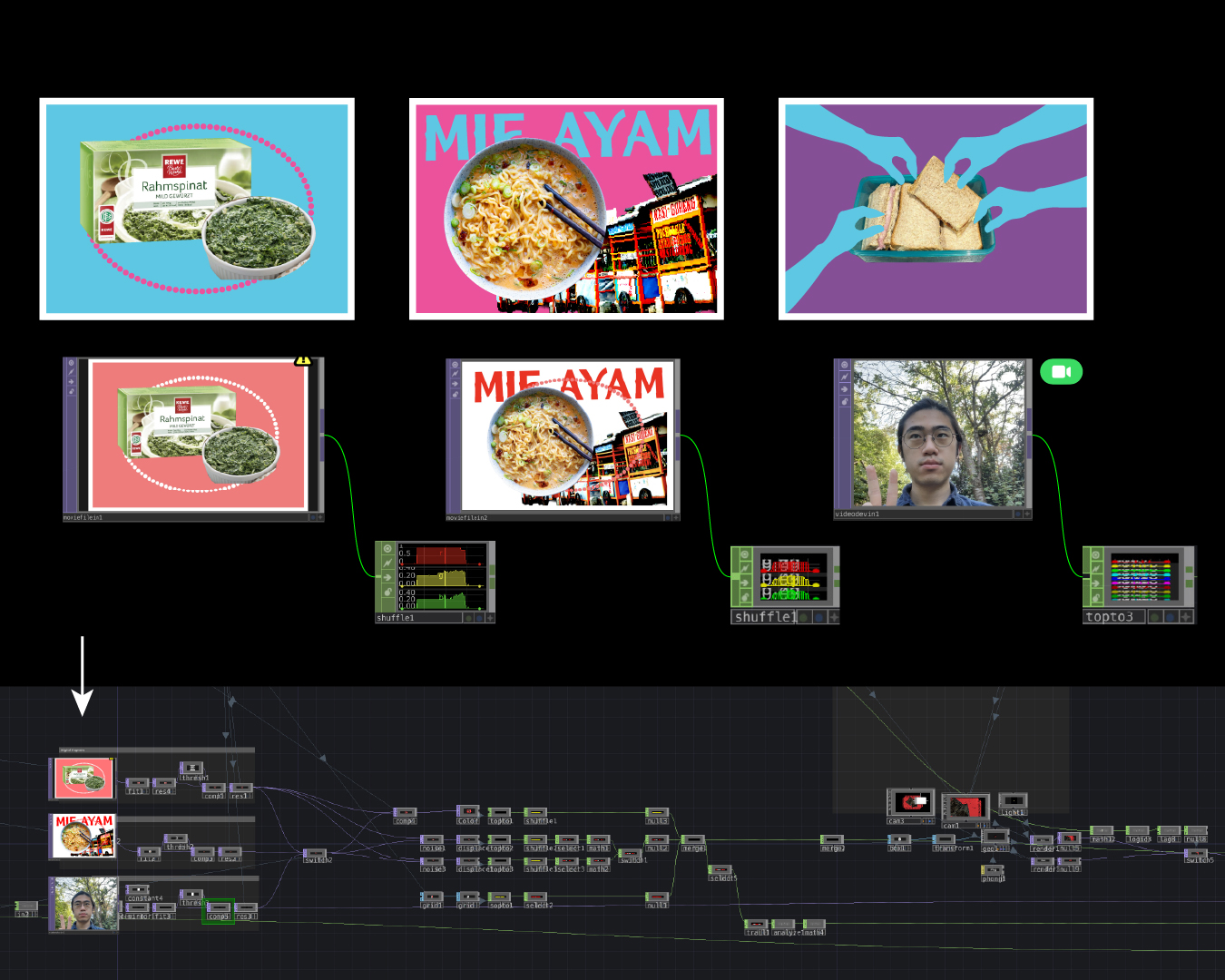
One example comes from Nathanael, who was born in Indonesia and grew up in Germany. In Germany, warm, creamy spinach was a comfort food for him on cold days. After moving to Indonesia, instant noodles and street food took on a similar role. At school, a European-style lunchbox seemed exotic to his classmates, who helped themselves to a taste.
The object stays tied to Nathanael’s memory, but it does not mean the same thing in every place. It is comfort, then a replacement, and later something other people find unfamiliar.
Original Fragment
A warm soft creamy spinach as comfort food in a cold German day.
Equivalent Replacement
Moving to Indonesia, Instant noodles and street food replaced the original which carry equivalent emotional weight.
Perceived Reinterpretation
A european twist to lunch boxes during school made it exotic to classmates as they helped themselves to sample some.
From postcard to sound
The fragments first appeared as RISO-printed postcards. The image was on one side and the person’s story was on the other. The postcards could also be placed together, allowing different memories to sit alongside one another.
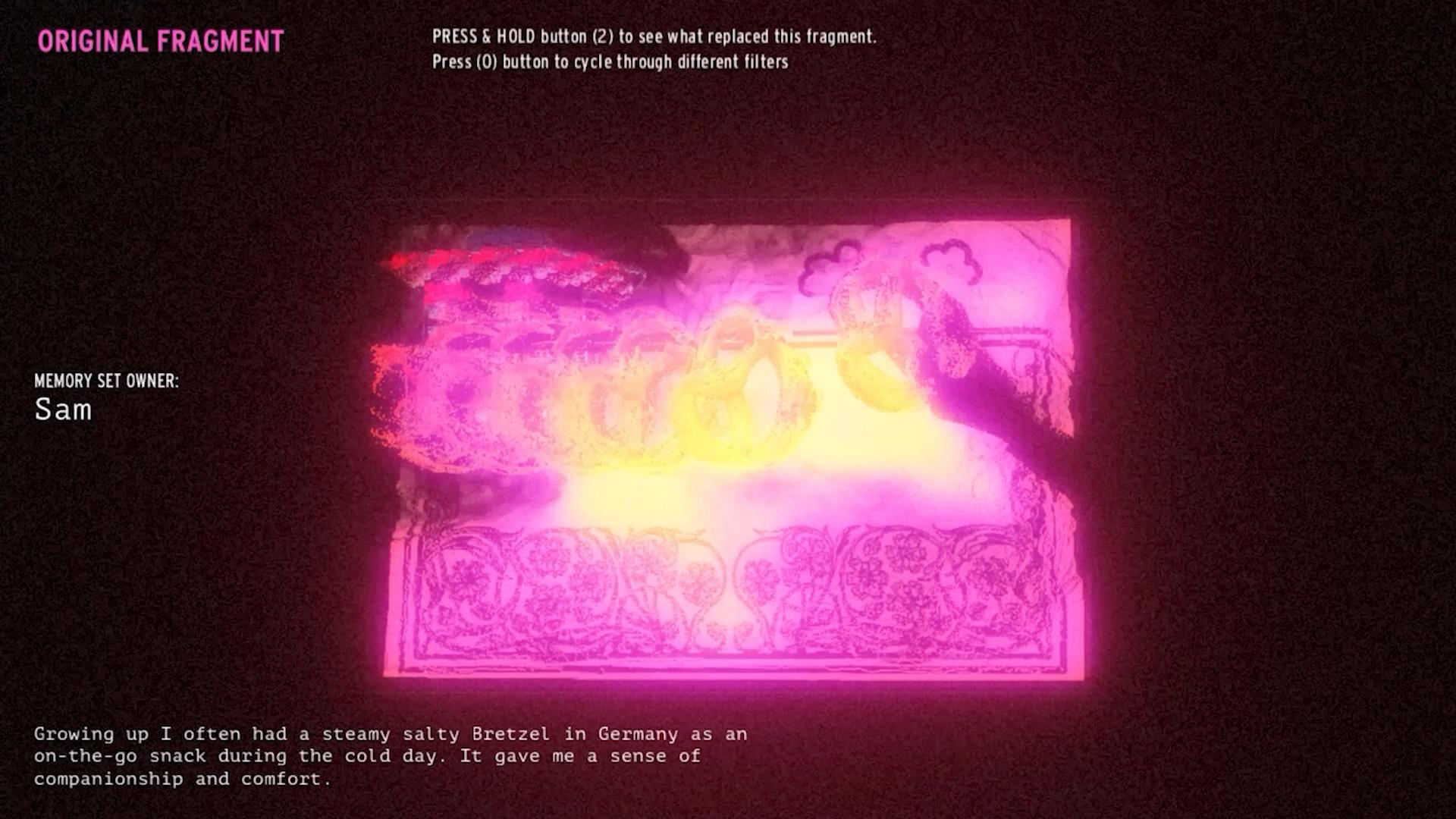
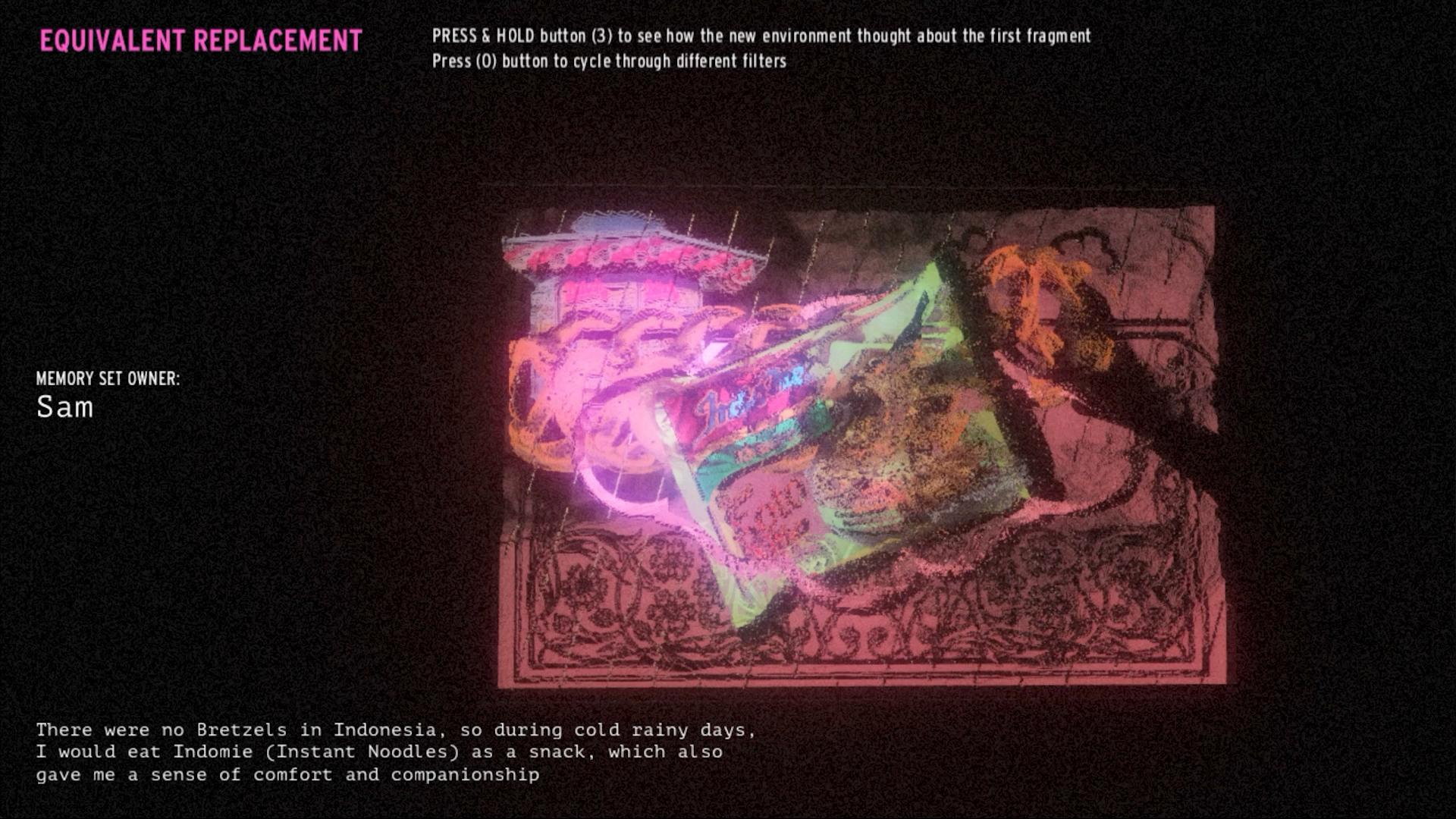
They later became an interactive installation. The images go into TouchDesigner, a programme that breaks them into points and rebuilds them on screen. It reads their colours, brightness, saturation, layers and the balance of red, green and blue. Visitors can use a button console to move between different memory groups and images.
That visual information is sent to VCV Rack, a synthesiser programme, which turns it into tones. The sound is not meant to imitate Germany, Indonesia or the object being remembered. It is not a recording from the place, and it is not background music added afterwards. It comes from the image itself. Change the image, and the sound changes with it.
“Each translation adds and loses something,” Ng says. A memory becomes a postcard, then an image on screen, then sound. Each version is slightly different from the one before it.
Unlike a postcard, sound changes over time. It can build, shift and fade while the visitor is with it. The synthesizer is tuned to the Javanese slendro scale, a five-note scale whose tones work well together. Sounds from different images can therefore play at the same time without clashing.
What visitors do
Visitors use the button console to move through the memory groups. A webcam also picks up their movement. As they move, the image on screen changes. Since the sound is being made from the image, the tones change too.
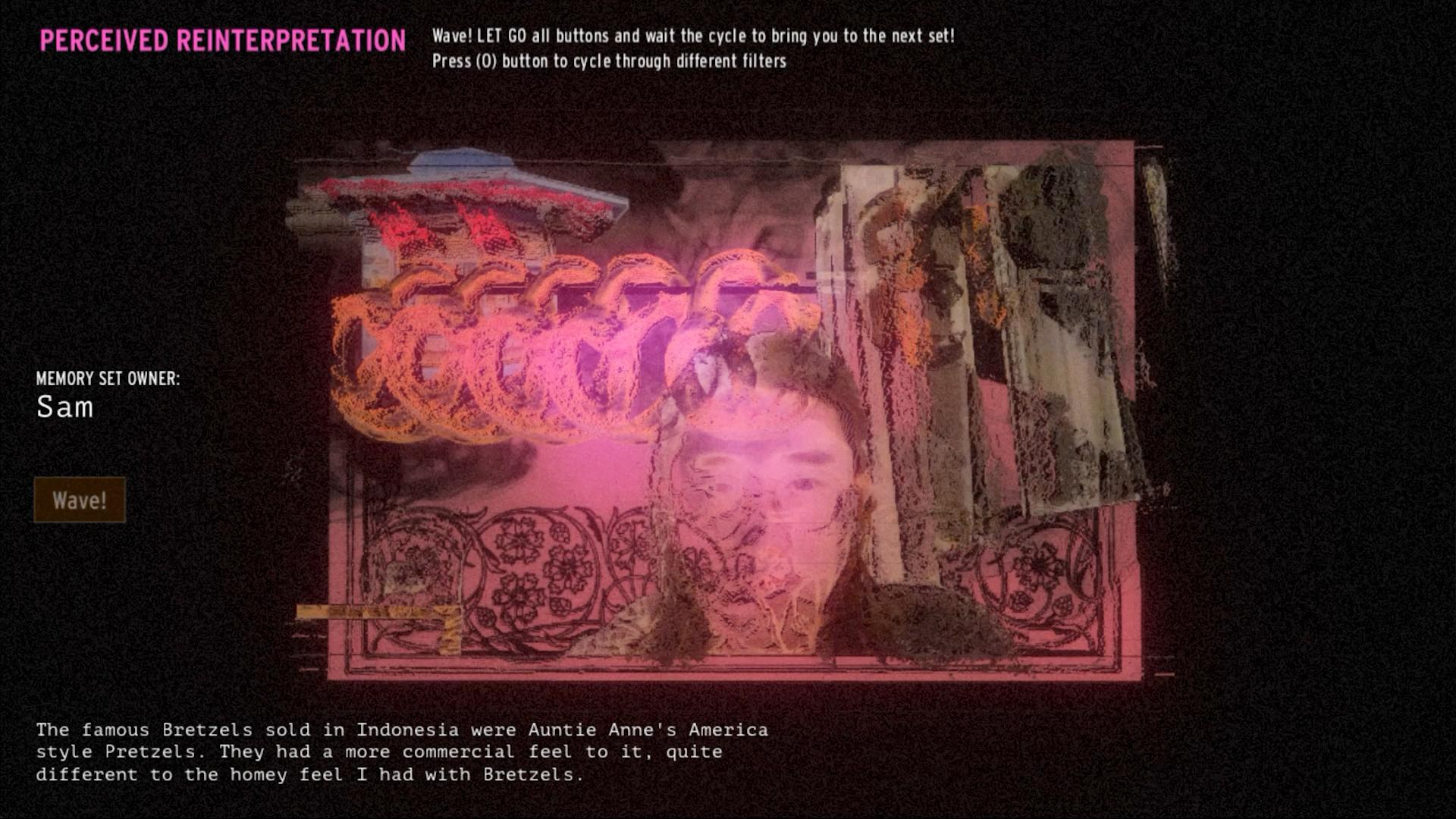
“Your presence reshapes the image. Your movement shapes the music,” Ng says.